About the Workshop
AI is becoming an important part of modern physics, from scientific reasoning and simulation to inference and experimental control, yet relevant work is often spread across different research communities. AI4Physics brings together researchers from machine learning and physics to discuss emerging methods, shared challenges, and promising directions for AI-driven physics research. The workshop takes a broad view of both AI and physics, welcoming work across computational, theoretical, and experimental settings, including high-energy physics, astrophysics and cosmology, condensed matter, plasma and fusion, and quantum science. Topics include reasoning with language models and agents, generative and surrogate simulators, inverse problems and scientific inference, and data-efficient experimentation. Our goal is to build a venue for exchanging ideas across subfields, highlighting real scientific use cases, and identifying the tools, benchmarks, and evaluation practices needed for reliable and physically grounded AI systems.
Topics
The workshop will cover a range of topics, including but not limited to:
Physics-centric Scientific Reasoning with LLMs and Agents
We will explore how well today’s LLMs and autonomous agents can generate physically consistent, rigorously testable hypotheses; derive predictions with correct assumptions, units, and constraints; and interpret outcomes from simulations or experiments. The workshop will discuss common failure modes in physics reasoning and enabling directions such as tool-augmented agents, retrieval over scientific papers and code, and structured memory for multi-step derivations and verification.
High-fidelity Generative and Surrogate Simulators for Physics
This topic focuses on learning-based simulators and emulators for complex physical processes, including PDE-governed dynamics, turbulence, plasma systems, cosmology, and detector-level simulation. We highlight neural operators, physics-constrained generative models, differentiable simulators, hybrid solvers, and error-controlled emulation strategies in challenging regimes such as long-horizon rollouts, stiff dynamics, multiscale coupling, and rare events.
Inverse Problems and Systematic Inference
We focus on recovering physical parameters, fields, or latent states from indirect measurements through forward models, often involving simulators. The workshop will cover likelihood-free and simulation-based inference, differentiable and amortized inference, inverse design, and methods for handling nuisance parameters, calibration errors, selection effects, and simulation-measurement mismatch.
World Models, Extrapolation, and Transfer Across Regimes
This topic studies learned, stateful models of physical systems that map multimodal observations to compact latent representations and predict dynamics under partial observability. We emphasize extrapolation to unseen regimes, transfer from simulation to experiment, and hybrid approaches that combine physical structure with data-driven representations, with evaluation centered on out-of-distribution reliability.
Experimental Data Scarcity, Bias, and Dataset-building for Physics
We highlight physics areas that lack large, standardized, and openly accessible resources, and aim to catalyze community efforts in dataset creation, benchmark design, and reproducible evaluation. We will discuss synthetic data with controllable realism, weak supervision, targeted data acquisition, active learning, adaptive measurement, and autonomous experimentation.
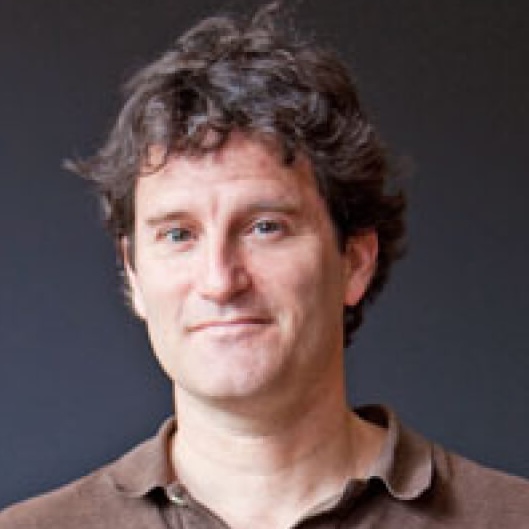
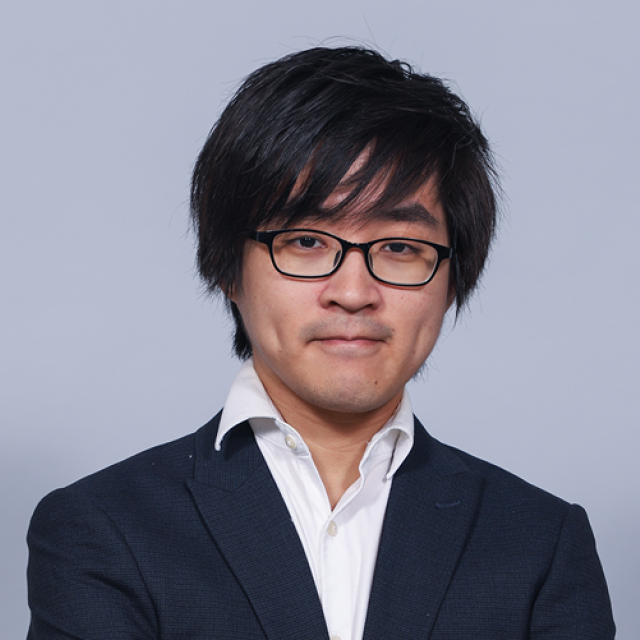
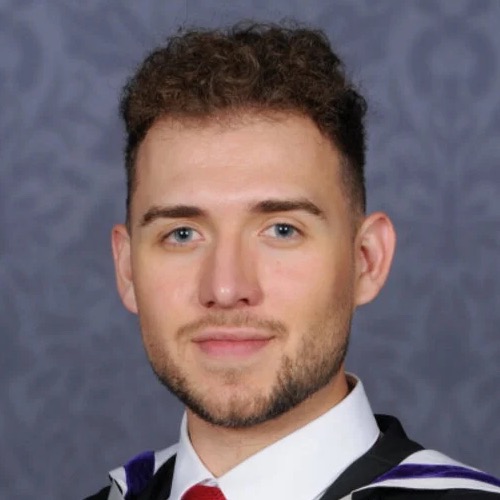
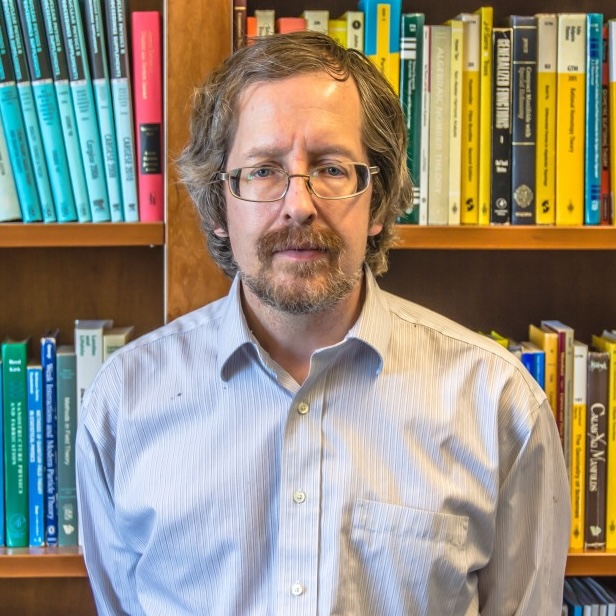
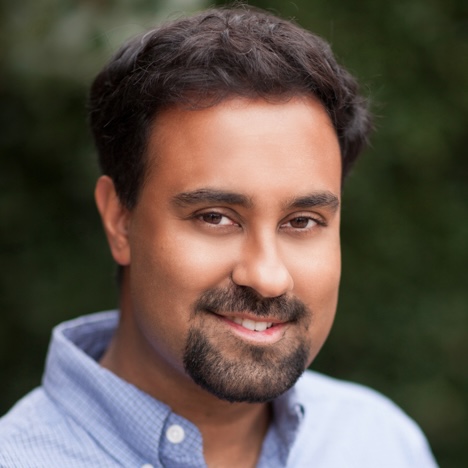
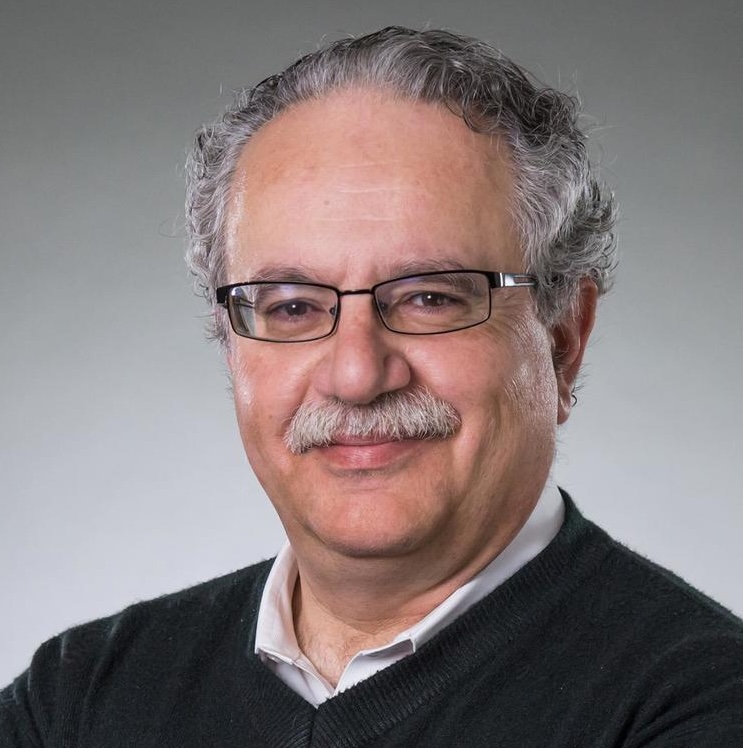
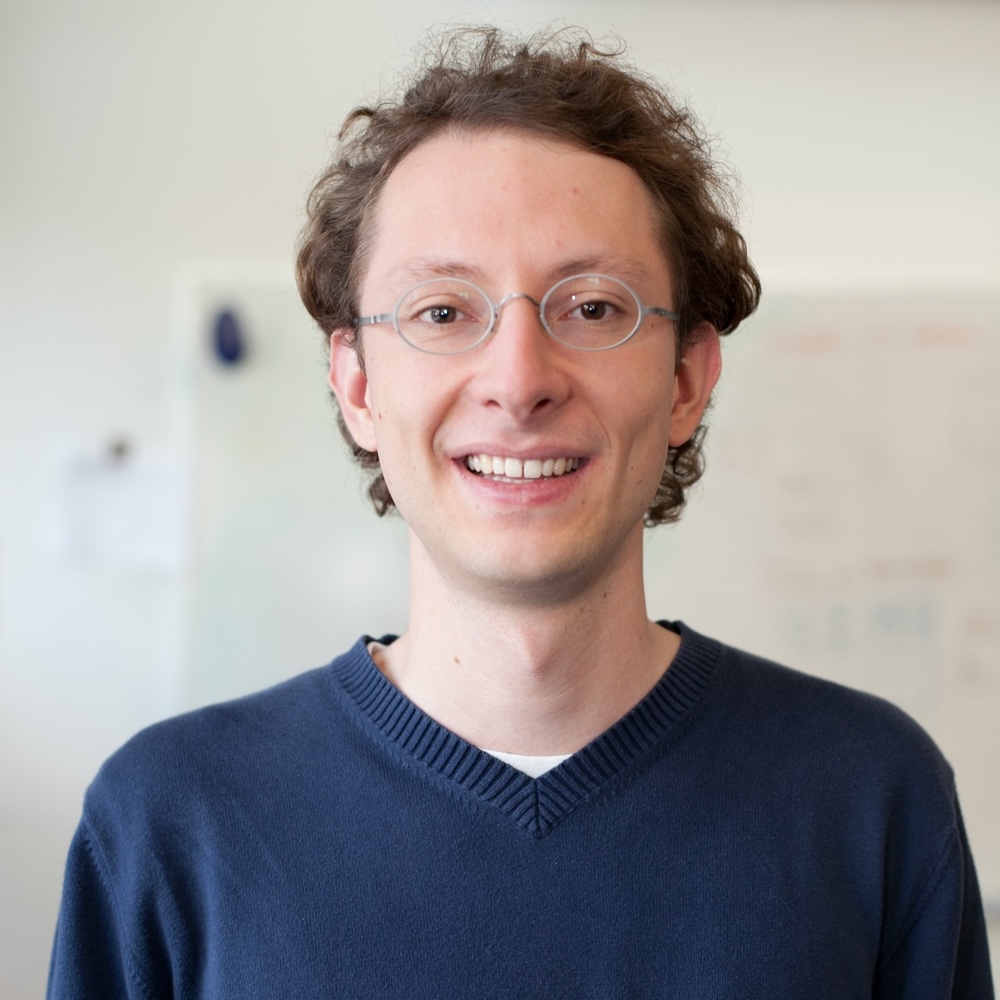
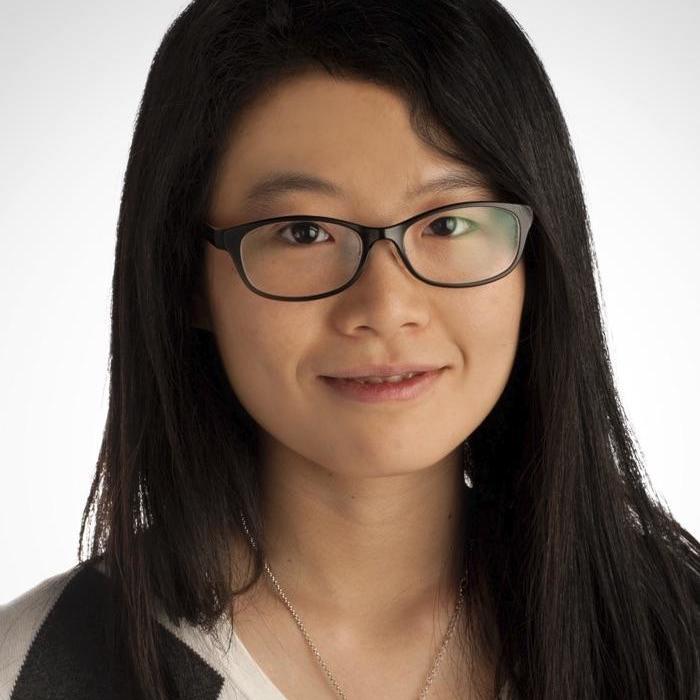
Keynote Speakers & Panelists
Listed alphabetically by surname.
Schedule
Saturday, July 11, 2026 · Conference Room S402 · all times in KST. Program is tentative and subject to change.
| Time (KST) | Session | Speakers & Panelists | Talk Title |
|---|---|---|---|
| 08:00 – 08:15 | Opening Remarks | ||
| 08:15 – 08:45 | Invited Talk 1 | Michael Brenner (Harvard) | Building a Science Assistant |
| 08:45 – 09:15 | Invited Talk 2 | Mengdi Wang (Princeton) | The AI-XR Co-Scientist That Sees and Works With Humans |
| 09:15 – 09:30 | Morning Break | ||
| 09:30 – 10:00 | Invited Talk 3 | Ludwig Schmidt (Stanford)Steven Dillmann (Stanford) | Terminal-Bench Science |
| 10:00 – 10:30 | Invited Talk 4 | Michael R. Douglas (Harvard) | Validating Theoretical Physics Produced by AI |
| 10:30 – 11:30 | Panel 1 | Steven Dillmann (Stanford)Michael R. Douglas (Harvard)Surya Ganguli (Stanford)Ludwig Schmidt (Stanford)Moderator: Eun-Ah Kim Guest moderator: Yannis Kevrekidis |
AI4Physics and the Current AI Revolution |
| 11:30 – 12:00 | Invited Talk 5 | Kelsie Zhao (Causal Labs) | Predict, Act and Control with Large Physics Models |
| 12:00 – 13:00 | Lunch Break & Poster Setup | ||
| 13:00 – 14:00 | Oral Session |
Victor Kawasaki-Borruat (EPFL) — Data-Driven Transport Geometry for Rare Events in Metastable Systems
Shirley X. Yu (Princeton) — Quality-Weighted Determinantal Point Processes for Sample Efficient DFT Surrogate Models
Hong-Yu Chen & Dongho Kim (Northwestern) — StarEmbed: Benchmarking Time Series Foundation Models on Astronomical Observations of Variable Stars
Francesco Immorlano (UC Irvine) — Trading off Controllability and Realism in Generative Physics Emulators
Yuxin Chen (UChicago) — Learning to Trigger: Reinforcement Learning at Large Hadron Collider
|
|
| 14:00 – 15:00 | Poster Session | ||
| 15:00 – 15:30 | Invited Talk 6 | Yannis Kevrekidis (Johns Hopkins) | ML-Assisted Modeling: Something Old, Something New, Something Borrowed, and Some Things That Do Not Matter |
| 15:30 – 16:30 | Panel 2 | Alberto Alfarano (Axiom)Lucas Baker (Jump Trading)Charles Cheung (NVIDIA)Kelsie Zhao (Causal Labs)Moderator: Anna Gilbert Guest moderator: Michael R. Douglas |
AI4Physics and the Future AI Revolution |
| 16:30 – 16:45 | Afternoon Break | ||
| 16:45 – 17:15 | Invited Talk 7 | Surya Ganguli (Stanford) | High-Dimensional Geometry and Dynamics of Quantum Optimizers Composed of Atoms and Photons |
| 17:15 – 17:30 | Paper Awards & Closing Remarks | ||
Accepted Papers
Click a paper title to read it on OpenReview.
Call For Papers
Key Dates
- Submission Deadline:
April 24, 2026 (AoE)Extended to May 7, 2026 (AoE) - Reviews Due: May 23, 2026 (AoE)
- Decision Notification: May 25, 2026 (AoE)
- Camera-Ready Due:
May 30, 2026 (AoE)Extended to June 7, 2026 (AoE)
All deadlines follow the Anywhere on Earth (AoE) timezone.
Submission Site
Submit via OpenReview.
Review Policy
We plan to run a double-blind review process. Accepted papers will follow a non-archival workshop policy.
Formatting and Submission Guidelines
Submissions should use the AI4Physics @ ICML 2026 LaTeX template (based on the official ICML 2026 template) and consist of a main body of up to eight pages, followed by any number of pages for references and appendices, all as a single PDF file. Supplementary materials are not required. All authors must confirm that their submissions comply with the ICML Code of Conduct. Please note that papers generated by AI or autonomous research systems will be desk-rejected.
Reviewing
The first author of each submission is required to serve as a reviewer for the workshop. We may also reach out to additional authors if needed.
Dual Submission and Non-Archival Policy
Submissions under review at other venues are expected to comply with the dual-submission and anonymity policies of those venues. Accepted workshop papers will not appear in formal archival proceedings.
Contact
For questions about paper submissions, please contact Yilun Zhao (yilun.zhao@yale.edu) or Andy Liu (andy.liu@yale.edu).
Organizers
This workshop is organized by the following organizers, listed alphabetically by surname.
Yale